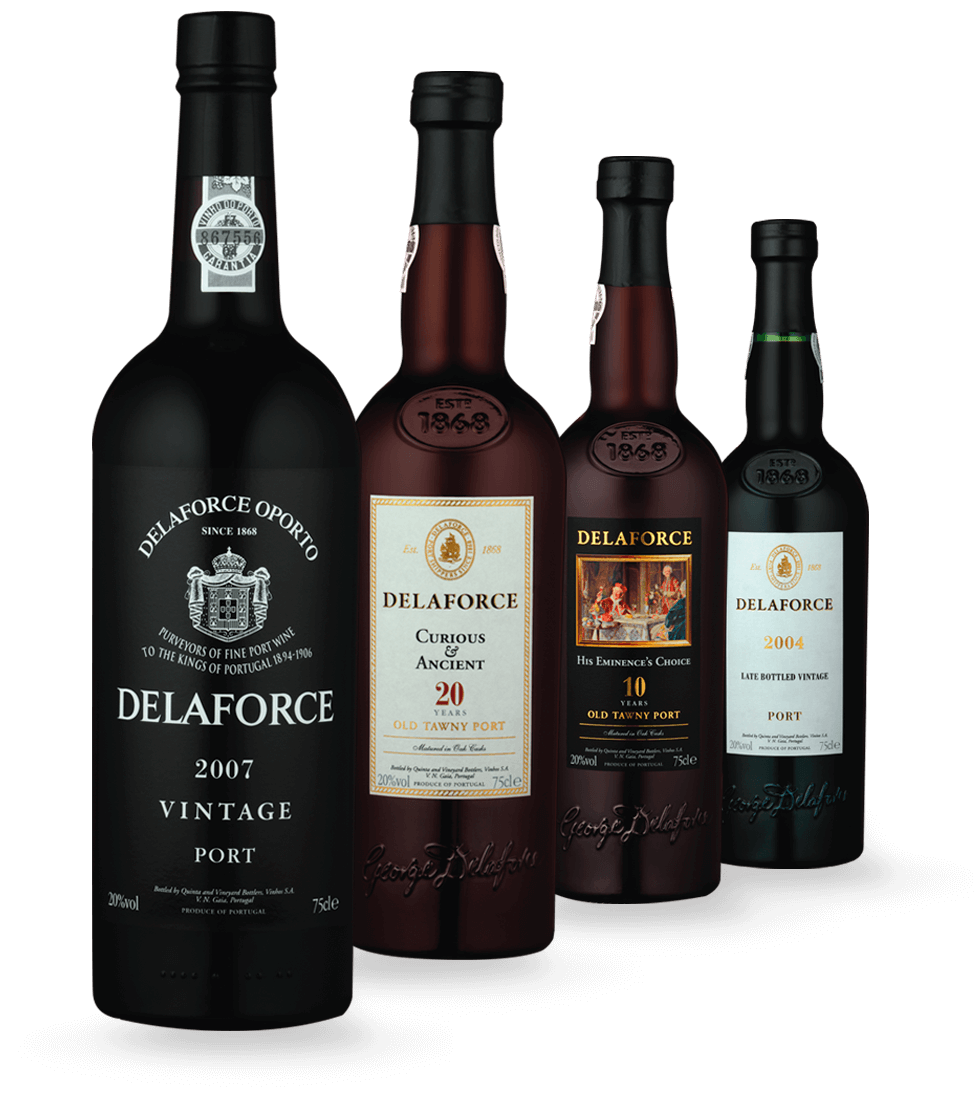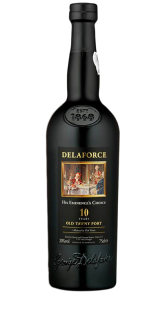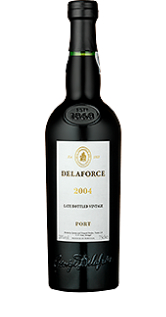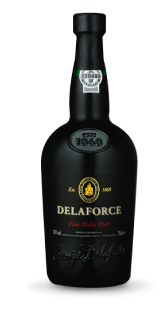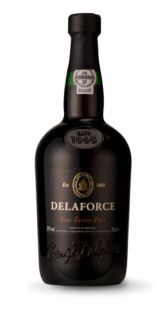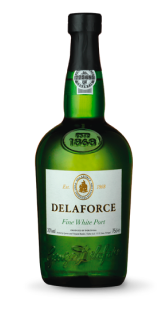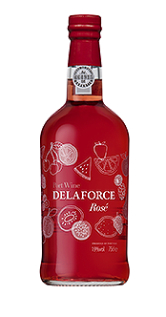


The members of the Delaforce family, of Huguenot origin, can trace their history back over 400 years.
Their involvement in the Port business dates from 1834 when John Fleurriet Delaforce came to Oporto to set up the new firm of Martinez Gassiot on behalf of its partners. In 1868 his son George Henry Delaforce founded his own firm, the House of Delaforce.
In the years that followed, Delaforce rapidly became established as one of the leading Port wine companies developing its sales in Germany, France, England, Ireland, Russia and the Scandinavian countries, as well as in Portugal itself. Between 1894 and 1906 the company was distinguished with a warrant as supplier of Port wine to the Portuguese Royal Household.
Over the years, Delaforce has developed a reputation for its outstanding blending and ageing skills which express themselves in the company's renowned aged Tawny Ports, His Eminence's Choice and Curious & Ancient. Both brands were originally created in the 1930's. The house is also celebrated for the elegant and finely-constituted Delaforce Vintage Ports produced from grapes grown in the Roncão and Rio Torto areas of the Douro.
Today, Delaforce is owned and run by Real Companhia Velha, also known as Royal Oporto, who have over 250 years of existence and uninterrupted activity in the Port Wine Trade.
Almost every Port style is represented in the Delaforce range of wines which are sold throughout the world. Its distinguished portfolio of products continues to earn the company its recognition as the master of the Port blend.
How Port is made - Port is part of the diverse and fascinating family of fortified wines, all of which are made by adding a small amount of grape spirit, or ‘brandy’, to the wine at some stage in the wine making process. The fortification of port is carried out as follows. Once the grapes have been crushed, the fermentation starts to convert the natural sugar of the grape juice into alcohol.
At this time, the grape skins must be constantly submerged in the fermenting wine so that they release the natural substances which give the wine its structure, colour and flavour. For Delaforce’ s most prestigious wines this is done by foot treading, an expensive but very effective method.
Other wines are made in specially designed fermentation tanks. When about half of the natural sugar of the grape juice has been fermented, a small amount of clean and neutral grape spirit is added to the wine. This fortification, as it is known, stops the fermentation and preserves some of the natural sweetness of the grape in the finished wine.
The wine is then left to settle in large vats until early the following year when it is taken down to the coast to age in the cool and tranquil wine cellars, known as ‘lodges’, in Vila Nova de Gaia.
If you want to know more about Port Wines, Click Here.
How Port is made - Port is part of the diverse and fascinating family of fortified wines, all of which are made by adding a small amount of grape spirit, or ‘brandy’, to the wine at some stage in the wine making process. The fortification of port is carried out as follows. Once the grapes have been crushed, the fermentation starts to convert the natural sugar of the grape juice into alcohol.
At this time, the grape skins must be constantly submerged in the fermenting wine so that they release the natural substances which give the wine its structure, colour and flavour. For Delaforce’ s most prestigious wines this is done by foot treading, an expensive but very effective method.
Other wines are made in specially designed fermentation tanks. When about half of the natural sugar of the grape juice has been fermented, a small amount of clean and neutral grape spirit is added to the wine. This fortification, as it is known, stops the fermentation and preserves some of the natural sweetness of the grape in the finished wine.
The wine is then left to settle in large vats until early the following year when it is taken down to the coast to age in the cool and tranquil wine cellars, known as ‘lodges’, in Vila Nova de Gaia.
If you want to know more about Port Wines, Click Here
The house of Delaforce was a pioneer to market aged Tawny Ports amongst the British shippers.
The Tawny Port brands ‘His Eminence Choice’ and ‘Curious and Ancient’ developed in the 1930s achieved global recognition and set the standard for quality aged tawny ports
As such, Delaforce earned the reputation amongst the trade for being the most Latin of the British shippers.
The Delaforce Ruby ports are known for their more delicate and feminine style, influenced by the origin of the grapes, historically coming from the Rio Torto Valley in Cima Corgo
The Delaforce Vintage Ports are very pure in feel, more delicate and feminine and privilege the elegant and fruity character opposed to austere power and structure. Typically with notes of cassis, plum, boysenberry, licorice and earth hints, the wines are refined and long and whilst approachable young, they offer great ageing potential.
Possessing a unique combination of geography, climate, grape variety and wine making tradition, the Douro valley is Europe's oldest demarcated wine region originally defined in 1756.
Lying about 100 Kms inland from the Atlantic Ocean, the vineyard region is separated from the temperate and humid climate of the coast by the Marão Mountains Its hot dry summers, rocky free-draining soil and unique thick skinned grapes produce the concentration and richness flavour which are the essential qualities of Port wine. The mountainous vineyards of the Douro valley are among the world's most spectacular.
The oldest are planted on narrow walled terraces clinging to the vertiginous hillsides and are now classified as a World Heritage site.
The company sources grapes from its own vineyards located in the best A-classified areas of Rio Torto and Roncão valleys and also from long-term purchasing agreements from some premium estates.Today, Delaforce is owned and run by Real Companhia Velha, also known as Royal Oporto, who have over 250 years of existence and uninterrupted activity in the Port Wine Trade.
Over 12 classic Douro grape varieties can be used to make Port but only a handful of the best are planted in the Delaforce vineyards, each contributing its unique character and flavour to the blend. These include the Touriga Franca, Touriga Nacional and Tinta Roriz.
The grapes are selected and harvested by hand in mid September and, the case of the Delaforce vineyards, are placed in small trays whicht keep them in perfect condition during transport to the winery.
Over time, Delaforce has been conquering the consumers palates, but has also acquired the critics approval. It is with great honour that we share our wine ratings and awards.
Know more